










Scientific papers 2021 - Part D









Authors:
Wilhelm W. Piispanen, Richard V. Lundell,
Laura J. Tuominen, Anne K. Räisänen-Sokolowski.
Cold water imposes many risks on the diver. These risks
include decompression illness, physical and cognitive
impairment, and hypothermia. Cognitive impairment can
be estimated using a critical flicker fusion frequency (CFFF)
test, but this method has only been used in a few studies
conducted in an open water environment.
The authors studied the effect of the cold and a helium-
containing mixed breathing gas on the cognition of
closed-circuit rebreather (CCR) divers.

Authors:
Roxane Monnoyer, Ingrid Eftedal, Astrid Hjelde,
Sanjoy Deb, Kjersti Haugum, & Jacky Lautridou.
The extreme environment in saturation diving affects all life
forms, including the bacteria that reside on human skin
and mucosa. The oral cavity alone is home to hundreds of
different bacteria. In this study, the authors examined the
metabolic activity of oral bacteria from healthy males
during commercial heliox saturation diving. They focused
on environmentally induced changes that might affect the
divers’ health and fitness.

Authors:
Kiyotaka Kohshi, Petar J. Denoble, Hideki Tamaki,
Yoshitaka Morimatsu, Tatsuya Ishitake, and
Frédéric Lemaître
Nitrogen accumulation in blood and tissues can happen
during breath-hold diving, leading to venous gas emboli
in commercial divers after repeated dives. This can cause
decompression illness (DCI). The syndrome "Taravana,"
seen in Polynesian pearl divers, is likely DCI and mostly
affects the brain. Neuroradiological studies on divers
showed various ischemic lesions linked to cerebral arterial
gas embolism.

Authors:
Xiao-Chen Bao, Quan Shen, Yi-Qun Fang, Jian-guo Wu
The objective of this study was to explore whether a single
deep helium-oxygen (heliox) dive affects physiological
function.
Forty male divers performed an open-water heliox dive to
80 m of seawater (msw). The total diving time was 280
min and the breathing helium-oxygen time was 20 min.
Before and after the dive, blood and saliva samples were
collected, and blood cell counts, cardiac damage,
oxidative stress, vascular endothelial activation, and
hormonal biomarkers were assayed.

Authors:
Peter Germonpré, Pierre Lafère, William Portier, Faye-Lisa
Germonpré, Alessandro Marroni, and Costantino Balestra.
Divers with a Patent Foramen Ovale (PFO) have an
increased risk for
decompression sickness (DCS) when diving with
compressed breathing gas. The relative risk increase,
however, is difficult to establish as the PFO status of divers
is usually only determined after a DCS occurrence.

Authors:
Svein E. Gaustad, Timofei V. Kondratiev, Ingrid Eftedal,
Torkjel Tveita.
Diving in cold water is thought to increase the risk of
decompression sickness (DCS), especially if the diver is cold
during decompression.
In this study, the authors investigated hemodynamic
function and DCS risk in an animal model, where cold
decompression was followed by rewarming at the surface.

Authors:
Peter Kyriakoulis, Michael Kyrios, Antonio Egidio Nardi,
Rafael C. Freire, & Mark Schier.
Increased CO2 sensitivity is common in panic disorder (PD)
patients. Free-divers who are known for their exceptional
breathing control have lower CO2 sensitivity due to
training effects. This study aimed to investigate the
immediate effects of cold facial immersion (CFI), breath-
holding, and CO2 challenges on panic symptoms.

Authors:
Thomas Kjeld, Anders Brenøe Isbrand, Katrine Linnet, Bo
Zerahn, Jens Højberg, Egon Godthaab Hansen, Lars
Christian Gormsen, Jacob Bejder, Thomas Krag, John
Vissing, Hans Erik Bøtker, and Henrik Christian Arendrup.
The cardiac conduction system is sensitive to low blood
sugar and low oxygen, leading to slow heart rhythms.
Weddell seals and elite breath-hold divers experience
similar effects during dives. This study aims to define blood
glucose, oxygen saturation, heart rhythm, and blood
pressure in elite breath-hold divers during maximum
apneas.

Author: Ran Arieli
This study suggests nanobubbles, which appear at the
active hydrophobic spots at the luminal aspect of the blood
vessels, are the gas micronuclei from which the
decompression bubbles evolve, and endothelial injury
during the decompression is due to the tearing off of the
cell membranes with the detaching bubbles.

Authors: Robin Pla, Gauthier Poszalczyk, Cyrine Souaissia,
Fabrice Joulia, and Alexandre Guimard
This paper introduces an improving method that can
estimate the size of microbubbles in real time. Hence, the
measurement data of the liquid volume can be modified
according to this method. A microbubble detector based
on the pulsed-ultrasound method was studied, including
the device structure and the working principle.

Author: Yiqing Li, Junwu Wu, Leijie Fu, and Jinju Wang
Although the role of underwater phases is well-known, no
study has taken an interest in describing and quantifying
the distance and time spent in apnea as a condition for
optimal performance. This study aimed to investigate the
impact of time and distance spent underwater and surface
parameters on the swimming performance of elite
swimmers. The performances of 79 swimmers in 100-m
freestyle were analyzed (short-course).

Authors:
Shumaila Mumtaz, Shaukat Ali, Hafiz Muhammad Tahir,
Syed Akif Raza Kazmi, Hafiz Abdullah Shakir,
Tafail Akbar Mughal, Samaira Mumtaz,
Muhammad Summer, Muhammad Adeel Farooq
This purely medical document has been selected because
it discusses using vitamin C as an antioxidant to combat
oxidative stress triggered by reactive oxygen species. As
explained in our handbooks, reactive oxygen species are
necessary for life. However, they can be involved in cell
destruction when produced in excess, which happens
when the body is confronted with abnormal situations,
such as breathing oxygen at elevated Partial pressure.

Authors:
Edward P. Manning, Abhay B. Ramachandra, Jonas C.
Schupp, Cristina Cavinato, Micha Sam Brickman Raredon,
Thomas Bärnthaler , Carlos Cosme Jr., Inderjit Singh,
George Tellides, Naftali Kaminski, and Jay D. Humphrey
Hypoxia adversely affects the pulmonary circulation of
mammals, including vasoconstriction leading to elevated
pulmonary arterial pressures.
The authors established a multi-disciplinary workflow to
understand better transcriptional, microstructural, and
functional changes of the pulmonary artery in response to
sustained hypoxia and how these changes inter-relate.

Author: Rutger C Lalieu, Ida Akkerman, Peter-Jan AM van
Ooij, Annieke A Boersma-Voogd, Rob A van Huls
Due to the global rise of obesity, the role of nutrition has
gathered more attention. Paradoxically, even overweight
persons may be malnourished. This may delay wound
healing or recovery of late radiation tissue injury (LRTI).
Hyperbaric oxygen treatment (HBOT) is used to improve
wound healing or LRTI complaints. The aim of this study
was to assess the dietary intake levels of nutrients
important for recovery in patients referred for HBOT.

Author:
Yan Tian, Yafang Zhang, Yu Wang, Yunxi Chen, Weiping
Fan, Jianjun Zhou, Jing Qiao, and Youzhen Wei
Molecular hydrogen (H2) is a colorless and odorless gas.
Studies have shown that H2 inhalation has therapeutic
effects in many animal studies and clinical trials. Its
application has recently been recommended in China's
novel coronavirus pneumonia treatment guidelines.
H2 is primarily administered via inhalation, drinking H2-rich
water, or injection of H2 saline. It may participate in the
anti-inflammatory and antioxidant activity and immune
system regulation by annihilating excess reactive oxygen
species production and modulating nuclear transcription
factors.

Authors:
Barbara Nieradko-Iwanicka, Daria Przybylska, Piotr
Siermontowski, Cezary J. Kowalski, Marta Wójciak-Czuła,
Andrzej Borzecki
Hyperbaric oxygen therapy is a method supporting the
treatment of many diseases. Oxygen therapy treatments
are conducted in hyperbaric chambers, in which patients
breathe pure, 100% oxygen with higher than atmospheric
pressure. This allows to increase the amount of oxygen
supplied to all cells of the body many times over. The
treatment with hyperbaric oxygen therapy enables the
patient to recover faster and be fully active, and also
reduces the costs of standard treatment.

Authors: Micaela Tobler, Christos T. Nakas, Matthias P. Hilty,
Andreas Huber, Tobias M. Merz, and Jacqueline
Pichler Hefti
Changes in blood coagulation during exposure to high
altitude is not fully understood. Also, studies on the
activation and consumption of specific coagulation factors
in hypoxic humans have yielded conflicting results. The
authors used thromboelastometry (TEM), which allows for
a global evaluation of clot formation and lysis processes, to
study blood coagulation profiles in volunteers exposed to
prolonged hypobaric hypoxia at extreme altitudes..

Author: Hussam Haider Salman, Adnan khudhier yaqoop,
Rafid Y. Jabbar Almaidi
Tympanometry is an objective test that measures the
mobility (compliance) of the tympanic membrane as a
function of applied air pressure in the external canal. It is
particularly useful in assessing the secretory otitis media
during childhood. This is a prospective study performed at
the ENT department of the Basrah Teaching Hospital for
the period from November / 2013 to February / 2014.
The study aims to assess the advantages of tympanometry
as a diagnostic tool and to audit the use of tympanometry
in ear diseases in the ENT department of the Basrah
Teaching Hospital.

Authors: Chao Tan, Yuichi Murai, Weiling Liu, Yuji Tasaka,
Feng Dong , Yasushi Takeda
Ultrasound Doppler measures multiphase flow velocities
non-intrusively, aiding in fluid dynamics analysis, industrial
safety, and process optimization. This review discusses its
principles, developments, and the measurement of various
flow types, highlighting the technique's benefits,
limitations, and future directions.

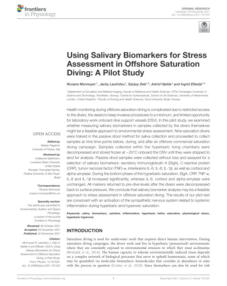
Author: Roxane Monnoyer, Jacky Lautridou, Sanjoy Deb,
Astrid Hjelde, and Ingrid Eftedal
The authors investigated whether measuring salivary
biomarkers in samples collected by the divers themselves
would be a feasible approach for assessing environmental
stress. Nine saturation divers were trained in saliva
collection methods and collected samples before, during,
and after an offshore commercial saturation diving
campaign.
During the dive, some salivary biomarkers were found to
increase significantly, while others remained unchanged.
This suggests that this method is suitable for assessing
stress levels during saturation diving.


Click on the octopus
to return to the top
of the page

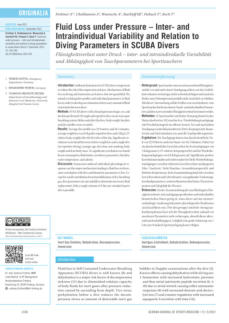
Authors: Fichtner A, Chekhanova A, Wuensche A, Starkloff
HJ, Fieback T, Koch T.
This study investigates the relationship between dive
profiles, individual parameters, and fluid loss in SCUBA
divers. It develops an estimation of the necessary amount
of fluid restoration between dives to reduce the risk of
decompression sickness, in addition to outlining the
methods used, the results obtained, and the discussion of
the findings, emphasizing the importance of sufficient
hydration for divers and the challenges in quantifying fluid
loss mechanisms.

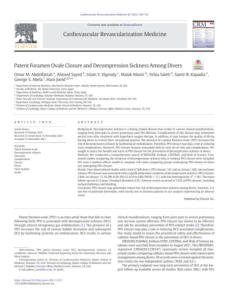
Author: Omar M. Abdelfattah, Ahmed Sayed, Islam Y.
Elgendy, Malak Munir, , Yehia Saleh, Samir R.
Kapadia, George S. Abela, Hani Jneid
This study evaluates the benefits and risks of patent
foramen ovale (PFO) closure in preventing decompression
sickness among divers. It determines whether PFO closure
reduces the incidence of decompression sickness and
assesses the associated adverse events. The authors
provide a detailed methodology, results, and conclusion
based on the analysis of observational studies.

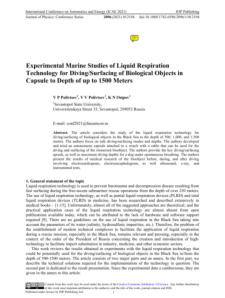
Authors: V P Polivtsev, V V Polivtsev, K N Osipov
This study explores the development and testing of liquid
respiration technology designed for safely diving and
surfacing biological objects, specifically in the Black Sea. It
involves using an autonomous capsule system and
includes medical research to monitor the health and safety
of a dog during the process. The text outlines the
methodology, technology, and findings related to safe
diving practices and the physiological effects on the
biological object.

Author: Marguerite St Leger Dowse, Sophie Howell, Gary
R Smerdon
This study examined the adherence of divers to the
recommended pre-flight surface interval (PFSI) of 24 hours
or more after diving vacations and assessed any perceived
signs and symptoms of decompression sickness (DCS)
during or after flights. The study aims to evaluate the
safety and outcomes associated with following or not
following these guidelines.


25 - Swim performance with and without snorkel and the
underlying energetic differences
- Published by the Undersea & Hyperbaric Medical Society (Author-released)
Author: Nico A.M. Schellart
Decompression illness (DCI) is recognized in compressed-
air diving and also reported in breath-hold divers like the
Japanese Ama. It often shows neurological symptoms,
particularly stroke-like events. Treatment with oxygen is
recommended, and prevention strategies include
reducing extreme diving.

26 - Effect of types of resin cements on the bond strength of fiber
post under simulated dives
- Published by the Undersea & Hyperbaric Medical Society (Author-released)
Authors: Ting Khee Ho, Mohd Najib Md Razi, Natasya
Ahmad Tarib
Changes in barometric pressure during flying and diving
under hyperbaric conditions affect dental restorations.
This study evaluated the bond strength of glass fiber posts
using two different cements under normal and hyperbaric
pressure. Results showed that RelyX Ultimate had higher
bond strength at normal pressure, but both cements
performed similarly under hyperbaric conditions.
27 - Inner ear decompression sickness in Finland: a retrospective 20-
year multicenter study
- Published by the Undersea & Hyperbaric Medical Society (Author-released)
Author: Oskari H. Lindfors, Richard V. Lundell, Olli J.
Arola, Timo P. Hirvonen, Saku T. Sinkkonen,
Anne K. Räisänen-Sokolowski.
Inner ear decompression sickness (IEDCS) affects many
patients, often leaving them with lingering symptoms. It
can occur in both technical and recreational dives. This
study reviewed IEDCS patients from 1999 to 2018,
focusing on symptoms and recovery rates. Most patients
had severe vestibular symptoms, and recovery rates varied
between divers. The incidence of IEDCS in Finland is
rising, suggesting a need for thorough examinations after
incidents.
28 - Performance of the Uni-Vent Eagle Model 754 ventilator under
hyperbaric conditions.
- Published by the Undersea & Hyperbaric Medical Society (Author-released)
Author: Daniel Popa, Lynn Waterhouse, Jay Duchnick,
Tom Neuman, Peter Witucki
Critically ill patients needing mechanical ventilation may
require hyperbaric oxygen therapy. This study examines
the Uni-Vent Eagle™ model 754's performance under
hyperbaric conditions and addresses potential oxygen
leaks in the ventilator housing. The ventilator delivered less
volume at higher pressures, but oxygen levels remained
stable within the housing. The model performed safely at
depth but requires spirometry for proper settings.
29 - Varied effects exerted on sudden sensorineural hearing loss
through HBO2 therapeutic pressure
- Published by the Undersea & Hyperbaric Medical Society (Author-released).
Authors: Chen Chen, Heng Hu, Rui-yong Chen
This study compared the effectiveness of two pressures, 2.
0 ATA and 2. 2 ATA, in hyperbaric oxygen therapy for
sudden sensorineural hearing loss. Records of 160
patients were reviewed. Higher pressure showed better
hearing improvement, especially in certain frequency
ranges, suggesting pressure affects treatment success.

30 - Treatment outcomes on neovascularization after CRAO treated
with hyperbaric oxygen.
- Published by the Undersea & Hyperbaric Medical Society (Author-released).
Author: Nicole Lifson,George Salloum, Philip Kurochkin,
Michael Bivona, Han Y. Yin, Samuel Alpert
Central retinal artery occlusion (CRAO) causes sudden
vision loss from retinal artery blockage, often linked to risk
factors like heart disease and diabetes. CRAO can worsen
vision through neovascularization, which can be painful.
Hyperbaric oxygen (HBO2) therapy is evaluated for
treating CRAO. This study shows 20% of patients treated
with HBO2 developed neovascularization, compared to
29. 8% without it, indicating HBO2 may help protect
vision and improve long-term outcomes.

31 - Repetitive hyperbaric oxygen therapy for paroxysmal
sympathetic hyperactivity a er acute carbon monoxide
poisoning.
- Published by the Undersea & Hyperbaric Medical Society (Author-released).
Authors: Sangchun Choi, Hyuk-Hoon Kim, Seong Beom
Oh, Yoon Seok Jung
Delayed neuropsychological sequelae (DNS) often arise
after carbon monoxide (CO) poisoning and can include
memory loss, confusion, and motor disturbances.
Paroxysmal sympathetic hyperactivity (PSH) can occur
after brain injuries, causing serious complications. This
report describes three cases where patients improved
from PSH as DNS following hyperbaric oxygen therapy.
32 - Inner ear decompression sickness in a hyperbaric chamber
inside tender: a case report.
- Published by the Undersea & Hyperbaric Medical Society (Author-released).
Author: Dominique Gelmann, Gregory Jasani, Siamak
Moayedi, Douglas Sward
Inner ear decompression sickness (IEDCS) is a rare diving
issue with vestibular and cochlear problems. A 55-year-old
man developed IEDCS after working in a hyperbaric
chamber and was treated successfully with hyperbaric
oxygen therapy.
33 - Hyperbaric oxygen for thermal burns
- Published by the Undersea & Hyperbaric Medical Society (Author-released).
Author: Paul Cianci, Ronald M. Sato, Julia Faulkner
Research shows that hyperbaric oxygen therapy can help
prevent skin damage, reduce swelling, and promote
healing from thermal injuries. It also reduces deaths,
hospital stays, surgeries, and costs. Proper training and
patient selection are essential.
34 - Variability in venous gas emboli following the same dive at
3,658 meters
- Published by the Undersea & Hyperbaric Medical Society (Author-released).
Author: Hayden W. Hess, Courtney E. Wheelock, Erika St
. James, Jocelyn L. Stooks, Brian M. Clemency,
David Hostler
Exposure to low pressure, like high-altitude climbing or
diving, leads to gas bubbles in blood (venous gas emboli,
VGE). These bubbles help measure decompression stress
and risk of decompression sickness (DCS), typically
managed by decompression schedules. A study
examined VGE after simulated altitude dives at 12,000
feet, with ten divers diving twice. No symptoms of DCS
were observed, and most dives showed low VGE levels,
indicating minimal decompression stress.
35 - Effects of Cold Decompression on Hemodynamic Function and
Decompression Sickness Risk in a Dry Diving Rat Model
- Published by Frontiers
Author: Svein E. Gaustad, Timofei V. Kondratiev,
Ingrid Eftedal, and Torkjel Tveita
Diving in cold water may raise the risk of decompression
sickness (DCS), especially during decompression. This
study examined hemodynamic function and DCS risk
using nine female Sprague Dawley rats. They were
exposed to various temperatures during a controlled dive
and decompression. Results showed similar cardiac
output and stroke volume changes in both cold and
normal temperature rats, but further research is needed
for clearer results on DCS risk.
02 - Effect of Cold Stress on Neurobehavioral and Physiological
Parameters in Rats
- Published by Frontiers
Authors: Hajar El Marzouki, Youssef Aboussaleh,
Mohamed Najimi, Fatiha Chigr, and Ahmed
Ahami
This study found that exposure to cold for 2 hours
increased the relative weight of adrenal glands in male
rats, while female rats showed decreased food intake
and no change in body weight. Both sexes performed Y
maze and object recognition tasks, indicating intact
spatial working memory performance and object
recognition abilities. However, stress caused an increase
in anxiety in male rats, indicating that gender is an
important consideration in experimental design.
Authors: Esen Yonca Bassoy, Michael Walch, and Denis
Martinvalet
The immune system protects the host from various
microorganisms and toxins through two lines of defense:
the innate immune system, which uses anatomical
barriers, physiological factors, and leukocytes, and the
adaptive immune system, which relies on T and B
lymphocytes for elimination and immune memory
formation. Reactive oxygen species (ROS) play a crucial
role in these immune responses, contributing to T-cell
biology and potentially extrapolating to B cells.

Authors: Carmen de Labra, Jose L. Pardo-Vazquez, Javier
Cudeiro, and Casto Rivadulla
This article investigates the impact of hyperthermia on
electroencephalography (EEG) in anesthetized mice,
focusing on how elevated temperatures above
physiological norms affect neuronal activity. By applying a
temperature-elevation protocol from 37 to 42 degrees
Celsius, the study reveals that hyperthermia significantly
reduces EEG amplitude and alters spectral parameters
across various frequency bands, indicating a global effect
on brain electrical activity.

Author: Kiyotaka Kohshi
The authors of this shor document respond to Dr. Arieli's
hypothesis on decompression sickness (DCS) in breath-
hold (BH) diving, stating no clear mechanism is
established. They acknowledge his nanobubble theory
and suggest that gas micronuclei in blood vessels may
expand due to nitrogen transfer during repeated BH dives,
creating microbubbles that can grow in veins. MRI studies
of Japanese Ama divers show neurological disorders
linked to arterial occlusion, supporting an embolic
mechanism. The authors hypothesize that nitrogen
bubbles trapped in pulmonary arteries expand during
ascent and may lead to brain damage, causing stroke-like
disorders without fully understanding the mechanisms.

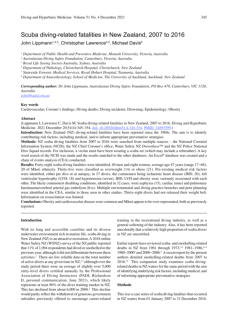
Authors: John Lippmann, Christopher Lawrence, Michael
Davis
This study analyzed 48 scuba diving fatalities in New
Zealand (2007–2016), primarily involving middle-aged
men (average age 47). Key risk factors included obesity (35
divers), pre-existing medical conditions (37 divers, e.g.,
ischemic heart disease (20), left ventricular hypertrophy
(18), hypertension (7)), and disabling conditions like
asphyxia (15), cardiac events (9), and pulmonary
barotrauma/embolism (5). Chain of events analysis
revealed poor planning and diving practice breaches, with
38 divers failing to release their weight belt. Resuscitation
data was limited.

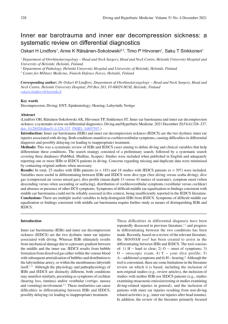
Authors: Oskari H Lindfors, Anne K Räisänen-Sokolowski,
Timo P Hirvonen, Saku T Sinkkonen
Inner ear barotrauma (IEBt) and inner ear decompression
sickness (IEDCS) are distinct diving-related inner ear injuries
with overlapping cochleovestibular symptoms,
complicating diagnosis and treatment. This systematic
review of 25 IEBt studies (n=183) and 18 IEDCS studies
(n=397) identified key differentiating variables: dive type ,
breathing gas, mean depth, symptom onset, symptom
predominance (vestibular vs. cochlear), and presence of
other DCS signs. Middle ear barotrauma indicators were
underreported in IEDCS literature and thus not reliably
useful for differentiation.

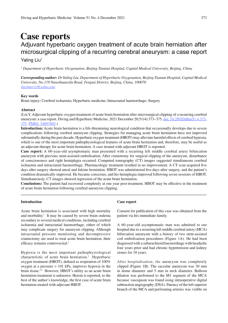
Author: Yaling Liu
Acute brain herniation, a severe complication of cerebral
aneurysm clipping, remains poorly managed despite
limited advancements in treatment over the past decade.
Cerebral hypoxia, a critical pathophysiological feature, may
be mitigated by Hyperbaric Oxygen Treatment (HBOT),
potentially serving as an adjunct therapy. A case report
describes a 60-year-old man with a recurring aneurysm
who developed consciousness disturbances and
hemiplegia post-surgery. After failed pharmacologic
treatment and confirmed herniation via CT, HBOT
administered five days later led to significant clinical
improvement, including restored consciousness and
reduced herniation on follow-up imaging.

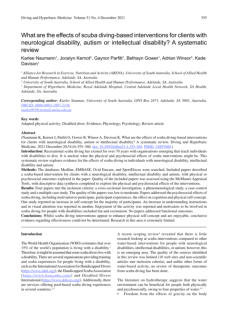
Authors: Karlee Naumann, Jocelyn Kernot, Gaynor Parfitt,
Bethayn Gower, Adrian Winsor, Kade Davison
This systematic review examined the physical and
psychosocial effects of recreational scuba diving for
individuals with neurological disability, intellectual
disability, and autism. A literature search identified four
low-to-moderate quality studies exploring psychosocial
outcomes. These studies reported positive impacts on self-
concept, cognition (instruction following and visual
attention), and enjoyment. Motivations for participation
included fun and excitement. However, no studies
addressed functional physical outcomes.

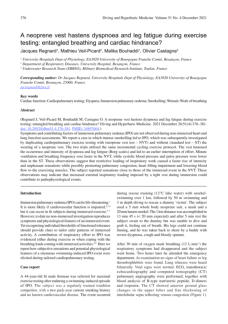
Authors: Jacques Regnard, Mathieu Veil-Picard, Malika
Bouhaddi, Olivier Castagna
Immersion pulmonary oedema (IPO) symptoms and
triggers are absent in standard non-immersed
cardiopulmonary tests. A case of IPO triggered by intense
snorkelling was investigated using two identical
incremental cycling tests: one with a restrictive neoprene
vest (NVT) and one without (ST). The NVT accelerated
dyspnoea and leg fatigue (per Borg scale), caused earlier
exercise termination, increased minute ventilation and
breathing frequency more rapidly, and reduced systolic
and pulse pressure versus ST. These findings suggest that
external inspiratory restriction may promote pulmonary
congestion, impair cardiac filling, reduce muscle perfusion,
and reproduce IPO-like sensations.

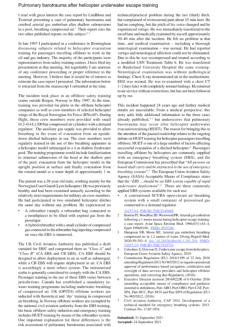
Author: Jan Risberg
This paper discusses Lindblom and Tosterud’s report of
pulmonary barotrauma and cerebral arterial gas embolism
after shallow submersion during HUET with compressed
air. He also recounts a 1997 offshore training incident
near Bergen where a crew member developed chest pain
and vertigo after a third underwater ditch, with
mediastinal air on X-ray and recovery following
recompression. Medically, the case adds little beyond the
three published reports but confirms that pulmonary
barotrauma can occur during HUET. It highlights the
ongoing debate on HUET training for offshore passengers
and the choice of emergency breathing systems—SCUBA,
rebreather, or hybrid—and how regulations differ across
jurisdictions.

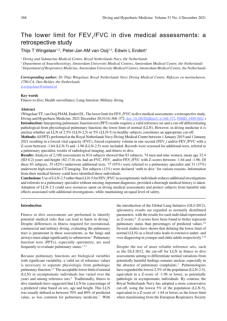
Author: Thijs T Wingelaar, Peter-Jan AM van Ooij, Edwin L
Endert
This study investigated the appropriate lower limit of
normal (LLN) cut-off for pulmonary function tests (PFTs) in
diving medicine, specifically comparing LLN-2.5% (Z-score
-1.96) and LLN-5% (Z-score -1.64). Analyzing 2,108 PFTs
from 814 Royal Netherlands Navy divers between 2015
and 2021, researchers identified 83 subjects with PFT Z-
scores falling between these two cut-offs. A significant
proportion of these individuals (93%) were referred to a
pulmonary specialist, and 12% were deemed unfit to dive.
The findings suggest that while these borderline PFT
results often warrant further investigation, certain cases
might be identifiable through medical history alone,
potentially streamlining the assessment process.

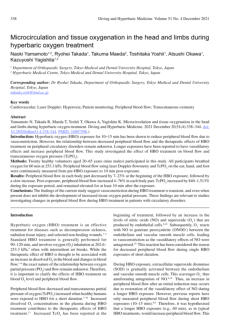
Author: Naoki Yamamoto, Ryohei Takada, Takuma
Maedaz, Toshitaka Yoshii, Atsushi Okawa,
Kazuyoshi Yagishita
This study examined the effects of a 60-minute hyperbaric
oxygen (HBO) treatment at 253.3 kPa on peripheral blood
flow and transcutaneous oxygen pressure (TcPO2) in 20
healthy volunteers. Initially, peripheral blood flow
decreased by 7–23% due to vasoconstriction, but later
increased post-exposure by 4–76%. TcPO2 rose
dramatically by 840–1,513% during HBO exposure and
remained elevated for at least 10 minutes afterward. These
findings suggest HBO’s potential therapeutic impact on
peripheral circulatory function, though the link between
reduced early blood flow and therapeutic effects remains
unclear.

Authors: Marion Marlinge, Mohamed Chefrour, François
Billaut, Marion Zavarro, Jean-Claude Rostain,
Mathieu Coulange, Régis Guieu, and Fabrice
Joulia
This study examined how adenosine affects trained spear
fishermen and control subjects during hypoxia from
breath-hold diving. Twelve trained divers and ten controls
were tested on dry static apnea. Results showed that
trained divers had higher adenosine levels and significant
cardiovascular changes during apnea compared to
controls, suggesting adenosine's role in adaptive
responses to apnea.